Psilocybin Mushrooms 101: The Basics for Curious Beginners
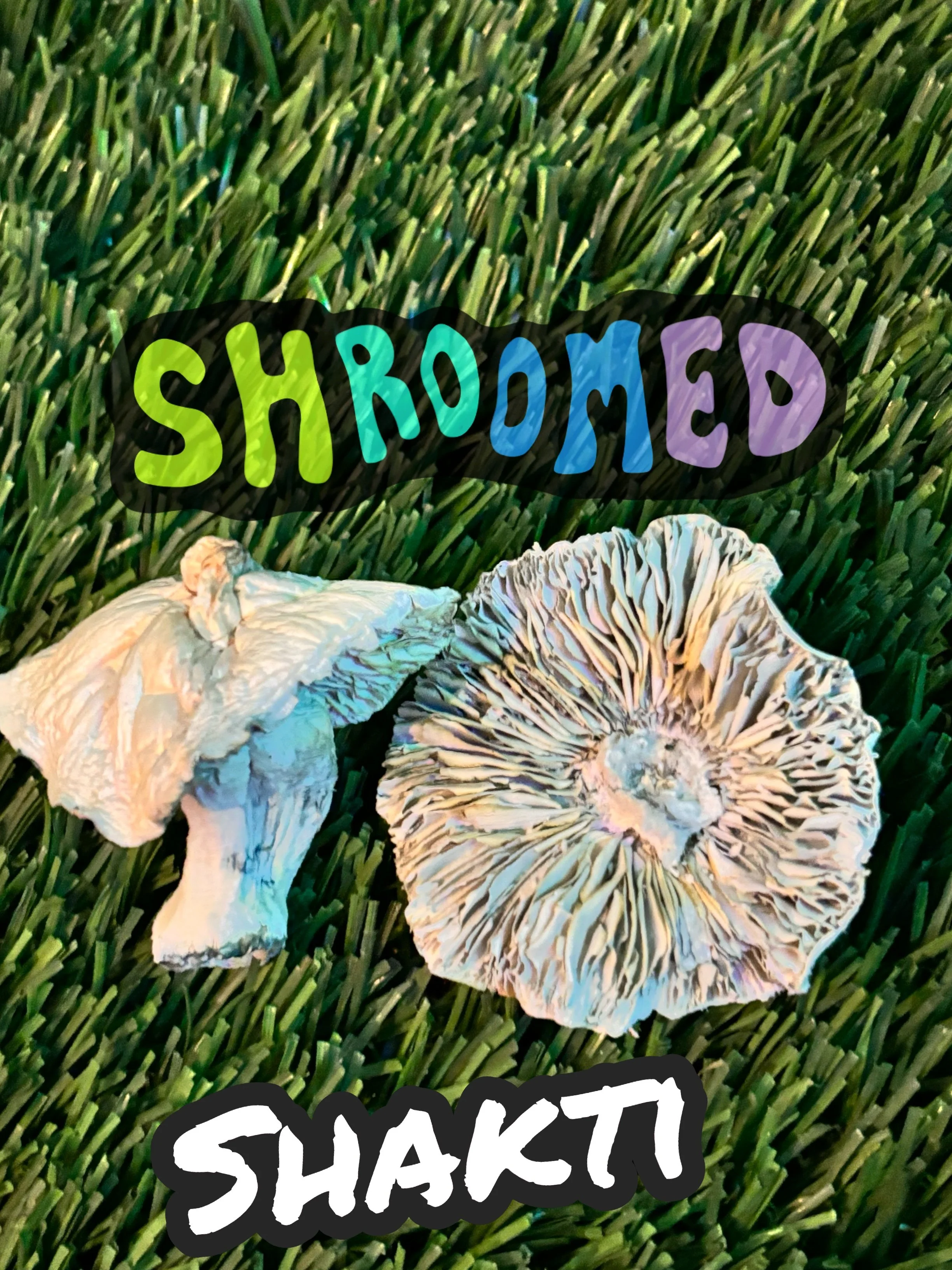
1. What are psilocybin mushrooms and how are they different from other fungi?*
Psilocybin mushrooms—often called “magic mushrooms” or “shrooms”—are a group of fungi that naturally contain the psychedelic compounds psilocybin and psilocin. While all mushrooms share the same fungal kingdom, only certain species produce these psychoactive molecules. Culinary mushrooms (think button or shiitake) are bred for flavor, while psilocybin varieties evolved chemical defenses that also happen to interact with human brain chemistry in unique ways.
2. How do psilocybin mushrooms make you feel?
Effects vary based on dosage, mindset, and environment, but common experiences include:
- Elevated mood or emotional openness
- Heightened sensory perception (colors, sounds, textures)
- Introspective or spiritual insights
- Altered sense of time and self
Some people also report nausea, anxiety, or fatigue—especially at higher doses or in uncomfortable settings. Harm-reduction basics—trusted company, calm environment, and clear intentions—make a big difference.
3. How long do psilocybin trips last?
Typical timeline for whole mushrooms eaten on an empty stomach:
- Onset: 20–60 minutes
- Peak: 2–3 hours
- Gentle landing: 2–3 hours
Expect a total experience of 4–6 hours, with lingering afterglow or fatigue for another hour or two. Tea, capsules, or lemon tek can make onset faster and the overall arc slightly shorter.
4. What’s the difference between psilocybin and psilocin?
Think of psilocybin as the “storage form” and psilocin as the “active form.” Once ingested, your body converts psilocybin into psilocin, which binds to serotonin receptors and produces the psychedelic effects. Synthetic psilocybin products usually offer a consistent single dose, while whole mushrooms contain a mix of psilocybin, psilocin, and minor alkaloids that some users say create a fuller “entourage effect.”
5. Are psilocybin mushrooms natural or synthetic?
The mushrooms themselves are 100% natural organisms. However, psilocybin can also be synthesized in labs for clinical trials or pharmaceutical formulations. Most people talking about “psilocybin mushrooms” mean naturally grown species, whether cultivated indoors or foraged. Regardless of the source, legality varies widely; always check local regulations before possessing, growing, or consuming.
6. Where to purchase and obtain Natural Mushrooms?
Shroomed has been a leader and trusted source in providing 100% safe microdose capsules, edibles and more.
7. How psilocybin affects the brain
Psilocybin converts to psilocin, which interacts strongly with serotonin receptors (especially 5-HT2A).
It temporarily disrupts the brain’s default mode network (DMN)—a system linked to self-reflection, rumination, and rigid thinking patterns.
This disruption can make the brain more flexible and open, allowing people to see their behaviors from a new perspective.
8.Why people say it can “reset” habits
The “reset” idea comes from a few observed effects:
1. Breaking rigid patterns
Addictive behaviors (like heavy drinking or compulsive habits) often rely on automatic loops. Psilocybin can interrupt those loops, giving a sense of:
“I don’t need this anymore”
“Why am I doing this?”
2. Increased neuroplasticity
After a session, the brain may be more adaptable for a period of time. This can make it easier to:
Form new habits
Let go of old ones
3. Emotional insight
Many people report confronting underlying issues like:
Trauma
Anxiety
Low self-worth
Addressing those can reduce the urge to rely on vices.
4. Meaningful or “peak” experiences
Some users describe deeply meaningful experiences that shift priorities (e.g., valuing health, relationships, purpose more than substances or compulsions).
📊 What research actually shows
Clinical studies (done legally with supervision) have found promising results for:
Alcohol use disorder
Smoking cessation
Depression (which often drives unhealthy coping behaviors)
But:
It’s not a guaranteed fix
Results vary a lot from person to person
Benefits are strongest when combined with therapy and integration
Important note: Psilocybin remains a controlled substance in many regions. This guide is for educational purposes only—know the laws where you are, practice harm reduction, and seek professional medical advice if you’re exploring therapeutic use.